
Seasonal Dance Festivals Across Portugal
Where the music never stops and dancers of all levels gather year-round
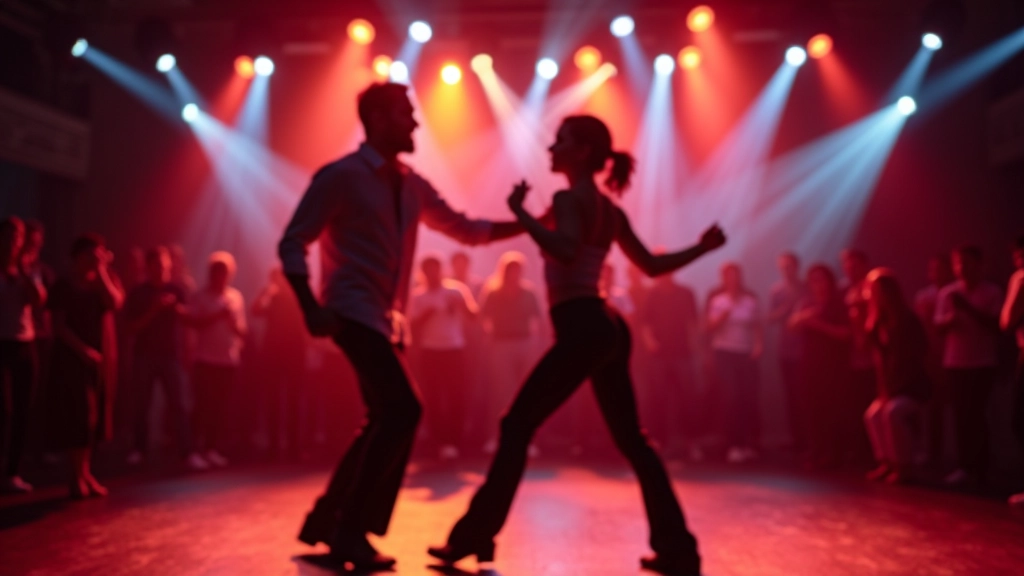
Portugal's Dance Calendar is Alive
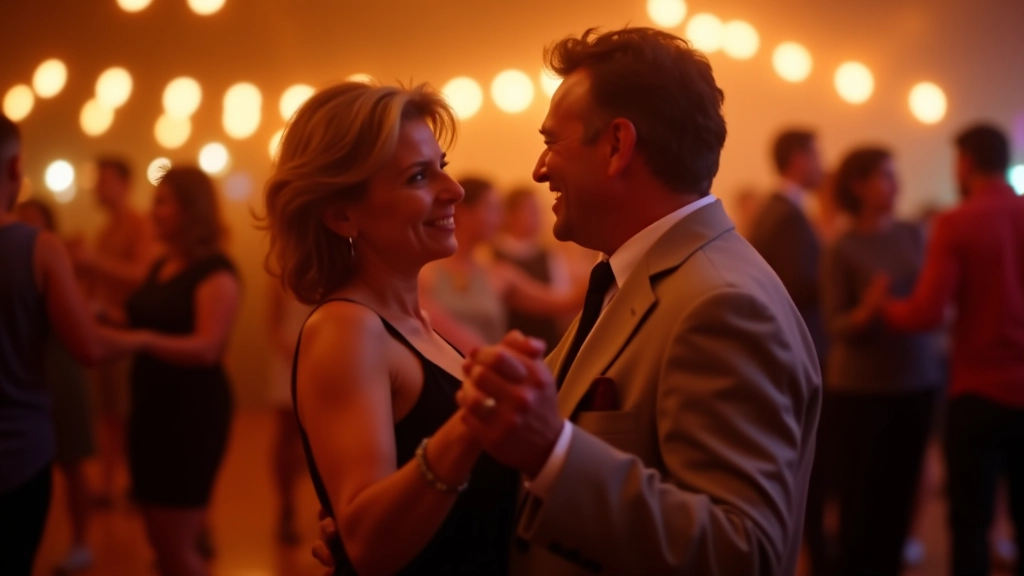
If you're over 45 and love to dance, Portugal's seasonal festivals offer something special. We're not talking about crowded tourist shows — these are real celebrations where dancers of all ages come together. From spring salsa marathons to winter bachata galas, there's always something happening.
The festivals span the entire country. You'll find intimate events in small Lisbon studios, beachside gatherings in the Algarve, and large-scale productions in Porto. What makes them different? They welcome mature dancers. The energy is focused on technique, connection, and actually enjoying the music.
Spring Brings the Salsa Season
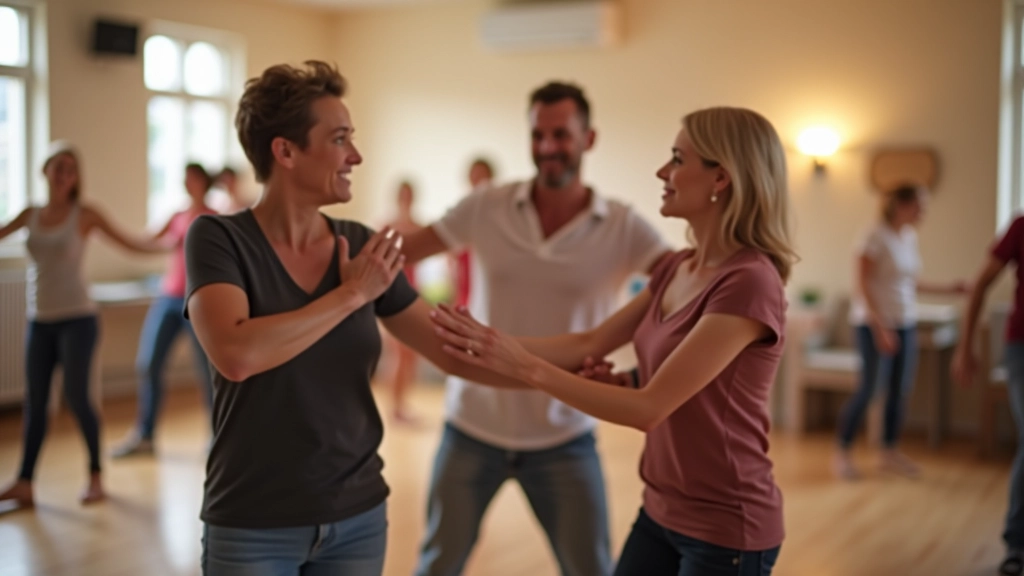
March through May, Portugal's salsa community comes alive. The Lisboa Salsa Marathon (usually in March) draws dancers from across Europe. It's not just one day — it's a full weekend with workshops, socials, and performances. You'll find instructors teaching Cuban style, LA style, and Puerto Rican variations.
The Algarve also hosts spring festivals around April. Smaller than Lisbon's events, they're actually easier to navigate. You get real connection time with other dancers, and the teaching quality is excellent. Most sessions run 3 hours with breaks for refreshments. Many dancers say spring is when they finally learn the footwork they've been struggling with all winter.
- Workshops run 10am-6pm with lunch breaks
- Social dancing typically 8pm-midnight
- Registration usually opens in February
- Average attendance: 300-500 dancers
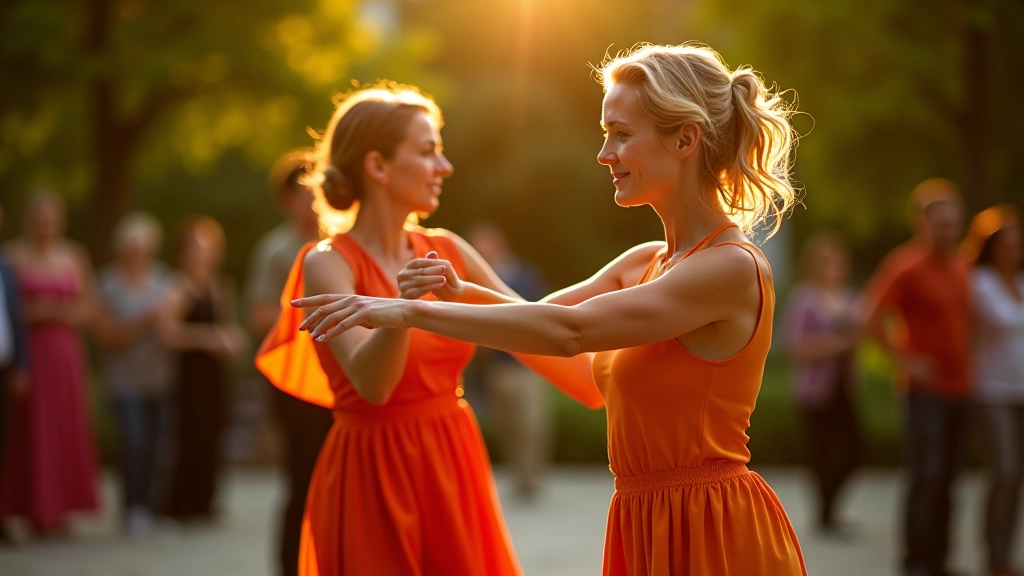
Summer: Beachside Bachata and Outdoor Gatherings
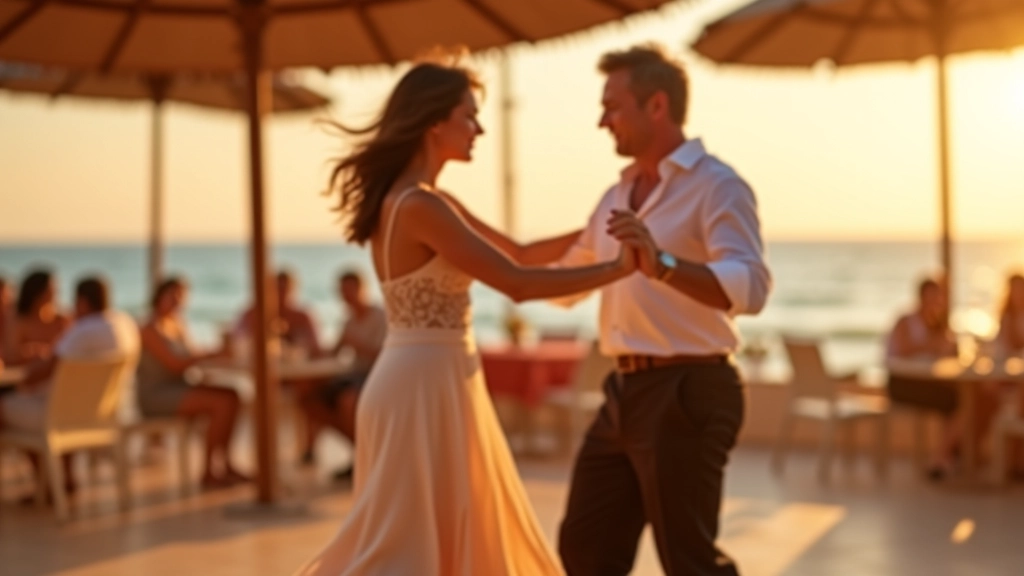
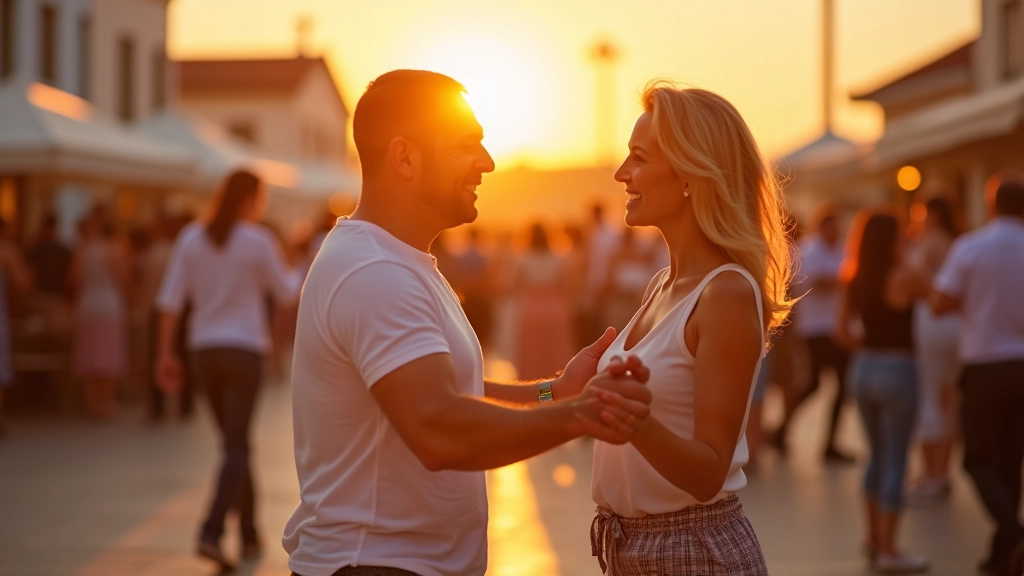
June through August, the focus shifts to slower rhythms and outdoor venues. Bachata dominates the summer calendar. The Faro Bachata Festival (usually mid-July) brings serious dancers who want to improve their connection and musicality. It's held in covered pavilions near the beach, so you get ocean breezes and natural light.
What's different about summer events? They're less formal. You'll see dancers in lighter clothes, more relaxed pacing, and longer social hours. Many festivals run evening workshops (6-8pm) followed by socials that go until 1am. The slower music means you can actually focus on technique without rushing through steps.
Towns like Lagos, Tavira, and Silves host smaller gatherings. These aren't advertised heavily, but word spreads among the dance community. You'll hear about them through local instructors or the festival networks. Average group size is 80-150 dancers, which feels more intimate than the big city events.
About Festival Information
The festival dates, locations, and details mentioned in this article are based on historical patterns and typical scheduling. Festival dates, venues, and formats change annually. We recommend contacting local dance studios or festival organizers directly for current 2026 schedules, registration details, and pricing. This information is educational and intended to help you understand Portugal's dance festival landscape.
Autumn: Regional Festivals and Competitions
September through November brings the regional festival season. Porto hosts the Northern Portugal Dance Festival (usually late September), which showcases multiple styles in one weekend. You'll find salsa, bachata, kizomba, and even some contemporary fusion. The energy shifts — dancers are more competitive, more focused on technique.
Many festivals include amateur competitions or showcase rounds. Don't let that intimidate you. Most have categories for different levels, and the real goal is to celebrate dancers who are serious about improving. We've talked to dancers in their 50s and 60s who've competed for the first time in autumn festivals and loved it.
The weather is still warm but not scorching, which makes dancing more comfortable. Venues range from purpose-built dance halls to historic theaters. Central Portugal's smaller towns often host fall festivals too — towns like Covilhã and Guarda have built real dance communities over the past 5 years.
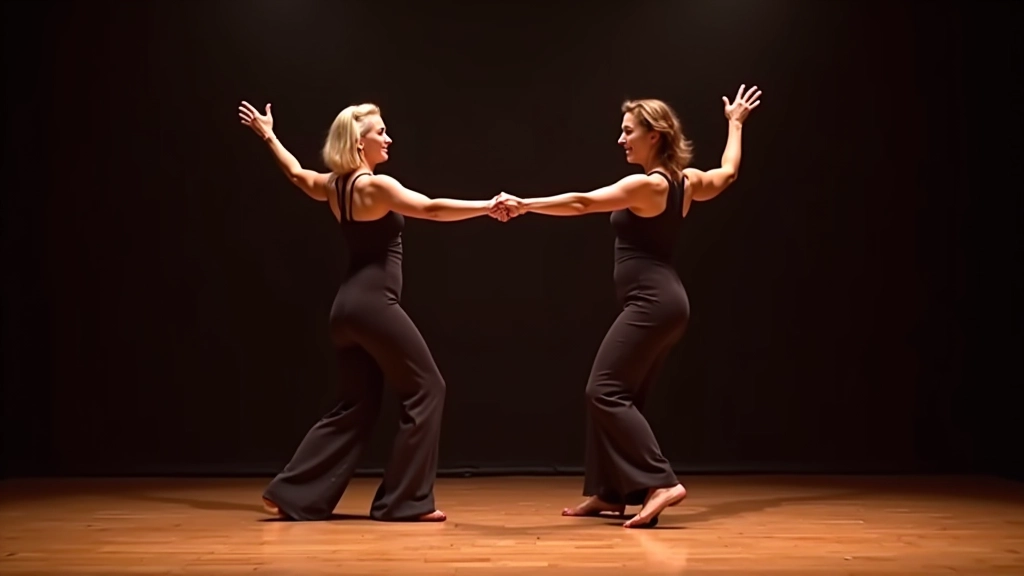
Winter: Galas and Year-End Celebrations
December and January bring the festival season full circle. Year-end galas are held in major cities — Lisbon hosts the Winter Salsa Gala (usually early December) in elegant ballrooms. These aren't competitions. They're celebrations where dancers dress up, socialize, and enjoy performances from both professionals and community dancers.
Winter events tend to be more formal. Think proper dance floors, better sound systems, and more structured programming. Many include dinner or cocktails. It's the season when dancers really dress the part — you'll see impressive outfits, styled hair, and an overall festive atmosphere.
Porto's New Year's Eve Dance Celebration has become legendary. It's held in a historic theater, runs from 10pm until 2am, and feels like a proper party. Dancers come from across the country. It's not cheap, but it's worth it if you want to start the year surrounded by your dance community.

Getting Started: Your Festival Journey
You don't need to be an expert to attend festivals. Most welcome dancers at all levels. What you do need is comfortable shoes, an open mind, and the willingness to meet people who share your passion.
Start with a festival closest to you. Check with local dance studios — they'll know what's happening and can often arrange group bookings. Most festivals run multiple workshops at different levels, so you can choose what fits your experience.
The dance festival calendar in Portugal has grown because there's real demand. Adults over 45 want to dance, improve, and connect with others who feel the same way. The festivals deliver on all three. Whether it's spring salsa marathons, summer beachside bachata, autumn competitions, or winter galas, there's something for you every season.